Climate change loads the dice when it comes to extreme weather — making dangerous events more and more likely.

Climate change loads the dice when it comes to extreme weather — making dangerous events more and more likely.

Without global warming, Paris floods would have been far less likely to occur, study finds


The water is still receding along the Seine and Loire Rivers in France, with cleanup beginning in parts of Bavaria, but scientists are already out with a study showing that global warming made the floods at the end of May and early June far more likely compared to a climate that had not warmed due to greenhouse gas emissions.

The analysis, which is known as an extreme event “attribution study,” found that the probability of three-day precipitation extremes in April through June increased by at least 40% in France overall due to climate change, with about an 80% increase in likelihood along the Seine River Basin and close to a 90% increase in the Loire River Basin.

pic 1

Last week, the River Seine burst its banks in Paris as water levels hit their highest levels in more than 30 years. The Louvre Museum was closed as a precaution, and valuable artwork moved from flood-prone parts of the building. Deadly flash-flooding also hit parts of Germany, the study noted.

Global warming is well known to contribute to increases in extreme precipitation events due to the added moisture available to fuel storms. For every 1 degree Celsius increase in global average surface temperatures, the water-holding capacity of the atmosphere increases by about 7%, which is a relationship known as the Clausius-Clapeyron equation.

“We know that global warming leads to more downpours in general,” said Robert Vautard, a senior scientist with France’s Laboratory for Climate and Environment Sciences, in a press release.

“But with this attribution analysis, we found we could tie global warming directly to the recent rainstorms in France that triggered so much flooding and destruction.”

The flooding resulted from a slow-moving low pressure system that retrograded, or moved against the typical airflow, from Germany, westward into France, from May 27 to June 5.

pic 2

Vautard conducted the analysis with a team from the Institut Pierre-Simon Laplace in France, the University of Oxford, the Royal Netherlands Meteorological Institute, the Red Cross Red Crescent Climate Centre and the U.S. nonprofit group Climate Central.

The scientists looked at changes in three-day rainfall extremes from April to June over the Seine and Loire River basins, and then used computer models to simulate the likelihood of the extreme rainfall amounts seen in this event in a world that is warming due to the burning of fossil fuels compared to a world without such warming.

pic 3

“Using an ensemble of different climate models and different methods we got very consistent numbers for the impact of climate change on the rainfall in France, giving us confidence in the results,” said Geert Jan van Oldenborgh, a researcher with KNMI who led the analysis, in a statement.

In Paris, the Seine peaked at 6.1 meters, or 20 feet, above its normal height on June 3, the study states, which was a 34-year high. Many parts of France saw three months of precipitation in just a few days.

Illustrating the limitations to research on extreme events and global warming, the team did not find clear results from its investigation of flooding in Germany, which was mainly caused by thunderstorms that dumped large amounts of rain in a short time period over mountainous terrain.

Such flash flooding was different than what occurred in France, where multiple days of heavy rainfall led rivers to burst their banks.

Therefore, in Germany, the researchers examined different parameters — specifically trends in one-day maximum precipitation over the hardest-hit area from January to June.

“The same overall weather pattern — a stalled system of low pressure — triggered the heavy rains in both France and Germany, but affected each country very differently,” said Karsten Haustein from Oxford University, in a statement.

The larger goal of the team, which is part of the World Weather Attribution project, is to inform the public about how climate change may be tipping the odds in favor of more extreme weather events and provide crucial context for conversations that often take place in the immediate wake of extreme events.

This work is not without controversy in the scientific community, since these results are not peer reviewed. Also, some climate scientists place a greater emphasis on short-term weather variability in causing weather extremes as compared to long-term changes in the planet’s climate.

Maarten van Aalst, the director of the Red Cross Red Crescent Climate Centre, told Mashable in an interview that the study, though not yet peer-reviewed, is based on a rigorous process.

“A critical aspect is that our assessment uses several different methods, and our findings are based on the results of all of these together,” van Aalst said.

“The methods apply state-of-the art models and analytical techniques that in regular scientific work would normally indeed take weeks or months — we’ve just organized ourselves to do the analysis much more quickly, and then rigorously assess the results,” he said.

“While we found a strong climate influence in the Paris floods, we were also very honest that in Germany, our analysis was inconclusive. In a study in Brazil last year, we found no evidence that climate change had influenced the drought,” van Aalst said.

Flooding results from a combination of heavy rains plus the built environment, including structures that can worsen such floods. The researchers sought to get around this complicating factor by focusing on changes in extreme rainfall amounts, which is how global warming may tip the scale in favor of more flooding events.

A scientific paper on the results will be submitted to a scientific journal, according to the research team.

Link : http://mashable.com/2016/06/09/paris-floods-global-warming/#kHVnLG8WEuqy


குமரியில் கடல் சீற்றம்: 100 வீடுகளில் நீர் புகுந்தது

sea__large

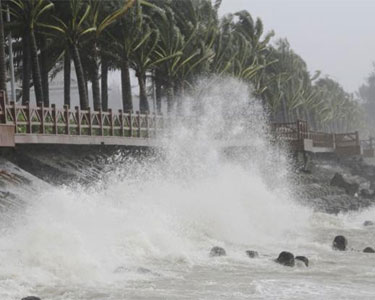
கன்னியாகுமரி மாவட்டம் குழித்துறை அருகே இரண்டு மீனவ கிராமங்களில் கடல் சீற்றம் காரணமாக 100- க்கும் மேற்பட்ட வீடுகளில் தண்ணீர் புகுந்தது. இதனால், 10க்கும் மேற்பட்ட வீடுகள் சேதமடைந்துள்ளன.

கடந்த சில நாட்களாக கடல் சீற்றமாக இருப்பதாக மாவட்ட நிர்வாகத்திற்கு தகவல் தெரிவித்தும் அவர்கள் முன்னெச்சரிக்கை நடவடிக்கை மேற்கொள்ளவில்லை என குற்றம் சாட்டுகின்றனர். இந்த மீனவ கிரமங்களில் உள்ள குடிநீர் சேமிப்பு மேல்நிலை தொட்டி கடல் சீற்றத்தால் சேதமடைந்துள்ளதால் குடிநீர் கிடைக்காமல் தவிப்பதாக அவர்கள் கவலை தெரிவித்துள்ளனர்.

மேலும், தொடர்ந்து கடல் சீற்றத்திலிருந்து பாதுகாக்க, தூண்டில் வளைவு அமைத்து நடவடிக்கை எடுக்க வேண்டும் என மாவட்ட நிர்வாகத்திற்கு கோரிக்கை விடுத்துள்ளனர்.

See :

http://tv.puthiyathalaimurai.com/detailpage/district-news/kaniyakumari/113/25643/furious-sea-in-kanyakumari

சென்னை பட்டினப்பாக்கத்தில் கடல் சீற்றம் தொடருவதால் மக்கள் பீதி; ராட்சத அலையில் குடிசைகள் இழுத்துச் செல்லப்பட்டன

Sea

சென்னை,

சென்னை பட்டினப்பாக்கத்தில் கடல் சீற்றம் தொடருவதால் அந்த பகுதி மக்களிடையே கடும் பீதி ஏற்பட்டுள்ளது. ராட்சத அலைகள் கரையில் உள்ள குடிசைகளை கடலுக்குள் இழுத்து சென்றது.

தொடரும் கடல் சீற்றம்

சென்னை பட்டினப்பாக்கம் சீனிவாசபுரம் கடற்கரையில் கடந்த ஒருவார காலமாக கடல் சீற்றமாக காணப்படுகிறது. திடீரென்று கடல் உள்வாங்குவதும் பின்னர் ஆக்ரோஷமாக ராட்சத அலைகள் எழுவதுமாக இருக்கிறது. கடலில் தொடரும் இந்த மாற்றத்தினால் அந்த பகுதி மக்களிடையே பீதி ஏற்பட்டுள்ளது.

கடல் சீற்றமடையும் போது எழும் ராட்சத அலைகள் கடற்கரையோரம் உள்ள சில குடிசை வீடுகளுக்குள் ஆக்ரோஷமாக புகுந்து, அந்த குடிசை வீடுகளை அப்படியே கடலுக்குள் இழுத்துச்சென்றது மேலும் கடற்கரையோரம் உள்ள பல வீடுகளுக்குள் கடல் தண்ணீர் புகுந்து உள்ளது. இதனால் பெரும்பாலான வீடுகள் கடுமையாக சேதம் அடைந்தன.

தடுப்புகளை தாண்டி வரும் அலைகள்

ராட்சத அலைகளில் இருந்து தப்பிக்க மீனவர்கள் கடற்கரையோரம் மணல் மூட்டைகள் மற்றும் கட்டைகளை வைத்து தடுப்புகளை ஏற்படுத்தி வருகின்றனர்.

ஆனாலும் ஆக்ரோஷமாக கடலில் இருந்து பாய்ந்துவரும் ராட்சத அலைகள் அந்த தடுப்புகளை சேதப்படுத்தி வருகிறது.

கடல் உள்வாங்கியது

இதற்கிடையே நேற்று காலை 9 மணி அளவில் அப்பகுதியில் கடல் 10 அடி தூரம் திடீரென உள்வாங்கியது. பின்னர் 11 மணி அளவில் கடல் சீற்றமடைந்து ராட்சத அலைகள் எழத்தொடங்கின.

கடல் அலைகளின் இந்த கண்ணாமூச்சி ஆட்டத்தால் அப்பகுதி மீனவர்கள் மிகுந்த அச்சத்தில் உள்ளனர். இதுகுறித்து அப்பகுதி மீனவர்கள் கூறுகையில் ‘கடந்த 2004-ம் ஆண்டு சுனாமி ஏற்பட்டபோது இப்படி தான் கடல் உள்வாங்குவதும், பின்னர் சீற்றமடைந்து திடீரென்று ஆக்ரோஷமாக காட்சியளித்தது’ என்றனர்.


Link : http://www.dailythanthi.com/News/State/2016/06/14011415/Houses-damaged-by-sea-incursion-at-Pattinapakkam-create.vpf

கடல் சீற்றத்தால் வீடுகள் சேதம்: பள்ளியில் தஞ்சமடைந்த மீனவர்கள்: பங்குத்தந்தையர், எம்எல்ஏ ஆலோசனை

இரவிபுத்தன்துறையில் கடல் சீற்றத்தால் வீடுகளை இழந்த மீனவர்கள் அப்பகுதியில் உள்ள தனியார் பள்ளியில் தஞ்சமடைந்துள்ளனர்.

குமரி மாவட்டத்தின் மேற்கு கடற்கரைப் பகுதியான சின்னத்துறை, இரவிபுத்தன்துறை, வள்ளவிளை உள்ளிட்ட பகுதிகளில் கடந்த இருவாரமாக கடல் சீற்றம் அதிகமாக காணப்படுகிறது. தற்போது ஏற்பட்டுள்ள கடல் சீற்றத்தால் இரவிபுத்தன்துறையில் 27 வீடுகளை கடல் நீர் இழுத்துச் சென்றுள்ளது. 50-க்கும் மேற்பட்ட வீடுகள் சேதமடைந்து, எந்நேரத்திலும் கடல் நீர் இழுத்துச் செல்லும் நிலையில் உள்ளன.

இந்நிலையில் வீடுகளை இழந்த அப்பகுதி மீனவர்களில் 117 குடும்பத்தைச் சேர்ந்த 407 பேர் அங்குள்ள புனித ஜோசப் நடுநிலைப் பள்ளியில் கடந்த ஒரு வாரமாக தங்கியுள்ளனர். இம் மீனவர்களுக்கு மாவட்ட நிர்வாகம் இதுவரை எந்தவித நிவாரண உதவிகளும் வழங்கவில்லை எனக் கூறப்படுகிறது. இப்பகுதி பங்குப் பேரவை நிர்வாகிகள்தான் பாதிக்கப்பட்ட மீனவர்களுக்கு உணவுப் பொருள்களை வழங்கி வருகின்றனர்.

இங்கு தங்கியுள்ள இரவிபுத்தன்துறை ஜோசப் காலனியைச் சேர்ந்த எச். விஜு கூறியதாவது: இங்குள்ள பெரும்பாலான மீனவர்களின் வீடுகள் முற்றிலும் சேதமடைந்துள்ளன. மற்றவர்களின் வீடுகள் பாதி இடிந்தும், எந்நேரமும் இடியும் நிலையிலும் உள்ளன. பாதிக்கப்பட்ட மீனவர்களுக்கு அரசு மாற்று இடம் வழங்கவேண்டும் என்றார் அவர்.

பெண்கள் கூறும்போது, வீடுகளில் இருந்த துணி, பாத்திரம், எரிவாயு சிலிண்டர் உள்ளிட்ட பெரும்பாலான பொருள்களை கடல்நீர் இழுத்துச் சென்று விட்டது. மாற்று உடை கூட  இல்லாமல் இப்பள்ளியில் தஞ்சமடைந்துள்ளோம்.

அரசு அதிகாரிகள் இதுவரை எங்களை கண்டுகொள்ளவில்லை. உணவுப் பொருள்கள் உள்ளிட்ட நிவாரணப் பொருள்களும் எங்களுக்கு இதுவரை வழங்கவில்லை எனத் தெரிவிக்கின்றனர்.

இந்நிலையில், சின்னத்துறை பள்ளியில் தங்கியுள்ள மீனவர்களையும், இரவிபுத்தன்துறை பள்ளியில் தங்கியுள்ள மீனவர்களையும் கிள்ளியூர் சட்டப் பேரவைத் தொகுதி உறுப்பினர் எஸ். ராஜேஷ்குமார் சந்தித்து ஆறுதல் கூறினார்.

இதேபோல, தூத்தூர் பகுதியில் கடலரிப்பால் பாதிக்கப்பட்ட பகுதிகளில் உடனடி தடுப்பு நடவடிக்கைகள் மேற்கொள்ள அரசு முன்வர வேண்டும் என இப்பகுதி பங்குத்தந்தையர்கள் கூட்டாக வலியுறுத்தியுள்ளனர்.

இதுதொடர்பாக நடைபெற்ற ஆலோசனைக் கூட்டத்துக்கு முதன்மைகுரு ராஜசேகர் தலைமை வகித்தார். இதில் பங்குத்தந்தையர்கள் இரயுமன்துறை மால்பின், பூத்துறை ஆன்றோஜோறிஸ், சின்னத்துறை ஷாபின், இரவிபுத்தன்துறை அரிஸ்டோ, கிள்ளியூர் எம்எல்ஏ எஸ். ராஜேஷ்குமார் உள்ளிட்டோர் கலந்துகொண்டனர்.

பின்னர் அவர்கள் கூட்டாக செய்தியாளர்களிடம் தெரிவித்ததாவது: இரயுமன்துறை, பூத்துறை, தூத்தூர், சின்னத்துறை, இரவிபுத்தன்துறை, வள்ளவிளை, மார்த்தாண்டன்துறை, நீரோடி உள்ளிட்ட 8 மீனவக் கிராமங்களில் பூத்துறை, சின்னத்துறை, இரவிபுத்தன்துறை உள்ளிட்ட பகுதிகளில் முறையாக கடலரிப்பு தடுப்புச் சுவர் அமைக்காததால் இப்பகுதிகள் பெரிதும் பாதிக்கப்பட்டுள்ளன. கடந்த சில நாள்களாக ஏற்பட்டுள்ள கடல் சீற்றம் காரணமாக சின்னத்துறையில் 22 வீடுகள், இரவிபுத்தன்துறையில் 27 வீடுகள் முற்றிலும் இடிந்து சேதமடைந்துள்ளன. மேலும் பல வீடுகள் இடியும் நிலையில் உள்ளது.

குமரி மாவட்டத்தில் ஆரோக்கியபுரம் முதல் நீரோடி வரையிலான கடலோர பகுதியில் தூண்டில் வளைவு அமைக்கப்படாத இடங்கள் குறித்து பொதுப்பணித் துறையின் கடலரிப்பு தடுப்புப் பிரிவு ஆய்வு மேற்கொண்டு ரூ. 114 கோடியில் திட்டம் மதிப்பிடப்பட்டுள்ளது.

இந்த புதிய திட்டத்தின்படி மத்திய அரசு 60 சதவீதம், மாநில அரசு 40 சதவீதம் என்ற கணக்கில் நிதி ஒதுக்கீடு செய்ய வேண்டியுள்ளது. இத்திட்டத்துக்கு மாநில அரசு நிதி ஒதுக்காததால் திட்டம் முடங்கியுள்ளது.

எனவே தேவையான இடங்களில் தடுப்புச் சுவர் அமைக்க அரசு நடவடிக்கை மேற்கொள்ளவேண்டும் என்றனர்.

Link : http://www.dinamani.com/edition_thirunelveli/kanyakumari/2016/06/14/%E0%AE%95%E0%AE%9F%E0%AE%B2%E0%AF%8D-%E0%AE%9A%E0%AF%80%E0%AE%B1%E0%AF%8D%E0%AE%B1%E0%AE%A4%E0%AF%8D%E0%AE%A4%E0%AE%BE%E0%AE%B2%E0%AF%8D-%E0%AE%B5%E0%AF%80%E0%AE%9F%E0%AF%81%E0%AE%95%E0%AE%B3%E0%AF%8D-%E0%AE%9A%E0%AF%87/article3480978.ece

http://www.dailythanthi.com/News/Districts/Kanyakumari/2016/06/14015158/Houses-damaged-by-the-fury-of-the-sea-iraviputtanturai.vpf

கடல் சீற்றத்தால் கடுமையாக பாதிப்படைந்துள்ள மக்கள்

கன்னியாகுமரி மாவட்டம் மார்த்தாண்டம் அருகே கடல் சீற்றத்தால் பாதிக்கப்பட்ட மக்கள், புதிய வீடுகளை கட்டித் தரக் கோரி, அரசு அதிகாரிகளை சிறைபிடித்தனர்.

கன்னியாகுமரி மாவட்டத்தில் கடல் சீற்றமாகக் காணப்படுகிறது. குறிப்பாக சின்னத்துறை பகுதியில் கடல் சீற்றம் காரணமாக 15 அடி முதல் 20 அடி உயரத்திற்கு அலைகள் எழும்புவதால் தடுப்புச் சுவர்களை உடைத்து குடியிருப்புப் பகுதிகளுக்குள் கடல் நீர் புகுந்து வருகிறது.

20-க்கும் மேற்பட்ட வீடுகளில் கடல்நீர் புகுந்ததால் அப்பகுதி மக்கள் வீட்டை விட்டு வெளியேறி உறவினர் வீடுகளில் அடைக்கலம் தேடியுள்ளனர். இந்நிலையில் பாதிக்கப்பட்ட இடங்களில் உரிய நிவாரணம் மேற்கொள்ளவில்லை எனவும், பாதிக்கப்பட்டவர்கள் தங்குவதற்கு நிவாரண முகாம்களை ஏற்படுத்தி தரவில்லை என்றும் மாவட்ட நிர்வாகம் மீது பொதுமக்கள் புகார் தெரிவித்தனர்.

இதனிடையே பாதிக்கப்பட்ட இடங்களை பார்வையிட்டு ஆய்வு செய்வதற்காக வந்த அதிகாரிகளை அப்பகுதி மக்கள் முற்றுகையிட்டு போராட்டம் நடத்தினர். இதனால் கிராம நிர்வாக அதிகாரி, வருவாய் துறை ஆய்வாளர் உள்ளிட்டோரை அப்பகுதி மக்ககள் அங்கிருந்து அழைத்து சென்றனர். அப்போது உரிய நடவடிக்கை எடுக்கப்பட்டு வருவதாக அதிகாரிகள் விளக்கம் அளித்தனர்.sea_erosion_sting

Link : http://ns7.tv/ta/people-demand-new-houses-affected-sea-erosion.html


கடல்மட்டம் உயர்வினால் 40 மில்லியன் இந்தியர்களுக்கு ஆபத்து: ஐ.நா. அறிக்கை

sea

நியூயார்க்,
2050-ம் ஆண்டுக்குள் கடல்மட்டம் உயர்வினால் 40 மில்லியன் இந்தியர்கள் ஆபத்தை எதிர்நோக்கி உள்ளனர் என்று ஐ.நா. அறிக்கையில் எச்சரிக்கப்பட்டு உள்ளது.
விரைவான நகர்மயமாதல் மற்றும் பொருளாதார வளர்ச்சியின் காரணமாக வருங்காலங்களில் கொல்கத்தா மற்றும் மும்பையில் கடலோர வெள்ளம் அதிகரிக்கும் என்று குறிப்பிடப்பட்டு உள்ளது. பசிபிக் மற்றும் தெற்கு மற்றும் தென்கிழக்கு ஆசியாவில் பருவநிலை மாற்றம் காரணமாக மோசமான பாதிப்பு இருக்கும் என்று உலகளாவிய சுற்றுச்சூழல் கண்ணோட்டம் (GEO-6): பிராந்திய கணிப்பில் தெரிவிக்கப்பட்டு உள்ளது.
2050-ம் ஆண்டுக்குள் கடல்மட்டம் உயர்வதினால் உலகளவில் அதிகமாக பாதிக்கப்பட கூடிய 10 நாடுகளில் 7 நாடுகள் ஆசிய பசிபிக் பிராந்தியத்திலே உள்ளது என்று தெரிவிக்கப்பட்டு உள்ளது. இந்த பட்டியலில் இந்தியா முதலிடம் பிடித்து உள்ளது. கடல்மட்ட உயர்வினால் இந்தியாவில் சுமார் 40 மில்லியன் மக்கள் பாதிப்புக்கு உள்ளாவார்கள் என்று கணிக்கப்பட்டு உள்ளது. இதற்கு அடுத்த படியாக வங்காள தேசத்தில் 25 மில்லியன் மக்களும், சீனாவில் 20 மில்லியன் மக்களும் பிலிப்பைன்ஸ் நாட்டில் 15 மில்லியன் மக்களும் ஆபத்தை எதிர்க்கொண்டு உள்ளனர் என்று தெரிவிக்கப்பட்டு உள்ளது.
பெரும்பாலான கடற்கரை பகுதியில் நகர்புற குடியேறுதல் வளர்ந்து வருகிறது. கடற்கரை நகரமயமாதல் இயற்கையான கடற்கடை அமைப்பை பாதிப்புக்கு உள்ளாக்குகிறது. தீவிர காலநிலை நிகழ்வுகளை எதிர்கொள்வதில் இயற்கையான கடற்கரை அமைப்பு தோல்வி அடைகிறது. சீனா, இந்தியா, தாய்லாந்து உள்ளிட்ட நாடுகள் எதிர்காலத்தில் அதிகமான பாதிப்பை எதிர்க்கொண்டு உள்ளது. இந்தியாவில் மும்பை மற்றும் கொல்கத்தா ஆகிய நகரங்கள் இடம்பெற்று உள்ளன. சினாவில் குவாங்சௌ மற்றும் ஷாங்காய், வங்காளதேசத்தில் டாக்கா, மியான்மரில் யங்கூன், தாய்லாந்தில் பாங்காங், வியட்நாமில் ஹோ சி மிங்க் சிட்டி மற்றும் ஹய் போங் நகரங்கள் இடம்பெற்று உள்ளது. இந்நகரங்களில் பெரிய அளவிலான மக்கள் தொகை வெளிப்பாடு 2070-ல் கடலோர வெள்ளத்திற்கு வழிவகை செய்யும் என்றும் எச்சரிக்கப்பட்டு உள்ளது.
ஐக்கிய நாடுகள் சபையின் சுற்று சூழல் சட்டமன்றம் அடுத்த வாரம் நைரோபியில் நடைபெற உள்ளநிலையில் இந்த அறிக்கையானது வெளியிடப்பட்டு உள்ளது, பசிபிக் மற்றும் தெற்கு மற்றும் தென்கிழக்கு ஆசியாவில் பருவநிலை மாற்றம் காரணமாக மோசமான பாதிப்பு இருக்கும் என்றும் குறிப்பிடப்பட்டு உள்ளது.
Link : http://www.dailythanthi.com/News/World/2016/05/20152243/40-million-Indians-at-risk-from-rising-sea-levels.vpf
Thanks : Daily Thanthi

தேரிக்காடு ரகசியம்!!!

திருநெல்வேலியில் இருந்து திருச்செந்தூர் செல்லும்போது, குரும்பூருக்கு முன்னதாக வலது புறம் திரும்பி நாலுமாவடி, திசையன்விளை வழியாகச் சென்றால் தேரிக்காட்டை அடையலாம்.

தாமிரபரணி ஆற்றின் தென்கரைப் பகுதியில் கடம்பாகுளத்திற்கு தெற்கே, நாலுமாவடி, புதுக்குடி, சோனகன்விளை, நாதன்கிணறு, காயாமொழி, பரமன்குறிச்சி, நாசரேத் ஆகிய ஊர்களுக்கு இடைப்பட்ட பகுதியில் தேரிக்காடு விரிந்து, பரந்து கிடக்கிறது.

மன்னார் வளைகுடாவை நோக்கி தெற்கு, தென்கிழக்காக சற்றே சரிந்த நிலையில் காணப்படும் இந்த தேரிக்காட்டின் மொத்த பரப்பளவு 12 ஆயிரம் ஏக்கர் என்று கணக்கிடப்பட்டு இருக்கிறது.

கடல் மட்டத்தில் இருந்து 15 மீட்டர் உயரத்தில் இருக்கும் இந்த தேரிக்காட்டில் உள்ள மணல் மேடு சில சமயம், கடல் மட்டத்தில் இருந்து 25 மீட்டர் உயரம் வரை உயர்ந்துவிடும்.

ஒரு சமயம் உயரம் குறைவாக இருக்கும் இடம், காற்றின் போக்கு காரணமாக அடுத்த சில மணி நேரங்களில் பெரிய மணல் மேடாக மாறிவிடும்.

அப்போது அந்த மணல் குன்றுகளே மெதுவாக இடம் மாறி நகர்ந்து செல்வதுபோலத் தோன்றும்.

தென் மேற்கு பருவ மழை காலமான மே மாதம் முதல் செப்டம்பர் மாதம் வரை அங்கு பலத்த காற்று வீசும்போது இதுபோன்ற மணல் குன்றுகள் இடம் விட்டு இடம் மாறும் மாயா ஜாலங்கள் அடிக்கடி அரங்கேறும்.

நிமிடத்துக்கு ஒருமுறை அங்கு காட்சிகள் மாறிக்கொண்டே இருப்பதால், அந்த தேரிக்காட்டில் திசை கண்டுபிடித்துச் செல்வது என்பது மிகவும் சிரமம்.

திரும்பிய இடம் எல்லாம் மணல் மேடாக இருப்பதால், இது விவசாயம் செய்வதற்கு ஏற்ற இடம் அல்ல.

ஆனால் மழை காலங்களில், அங்குள்ள பள்ளங்களில் தேங்கும் நீர் செயற்கை ஏரிபோல உருவாகும். அதுபோன்ற இடம் தருவை என்று அழைக்கப்படுகிறது. அந்தப் பகுதியில் தண்ணீர் இருக்கும் காலங்களில் நெல் அல்லது வேறு ஏதாவது பயிரிடுவார்கள்.

தேரிக்காட்டின் மற்ற இடங்களில் முந்திரி செடிகள் அங்கும் இங்குமாக வளர்ந்து இருக்கும். அவ்வப்போது வீசும் பலமான காற்று, மணலை அள்ளி வந்து அந்த முந்திரிச் செடிகள் மீது கொட்டிவிடும். அதுபோன்ற நேரங்களில் முந்திரிச் செடியின் மேல் கிளை மட்டும் வெளியே நீட்டிக்கொண்டு இருக்கும் காட்சி, சமாதிக் குழியில் இருந்து ஏதோ எட்டிப்பார்ப்பது போன்ற பயங்கர தோற்றத்தைத் தரும்.

திருநெல்வேலி, தூத்துக்குடி ஆகிய இரு மாவட்டங்களிலுமாக இந்த தேரிக்காடு அமைந்து இருக்கிறது.

ஏறக்குறைய ஒரு பெரிய வட்டமான பகுதிபோல இது காட்சி அளிக்கிறது.

இதில் ஆச்சரியம் என்ன என்றால், அங்கே இருப்பது போன்ற செக்கச்செவேல் என்ற மணல் பகுதி, அந்த மாவட்டங்களின் வேறு எந்தப் பகுதியிலும் காணப்படவில்லை என்பது தான்.

அங்கு இருப்பது ஆற்று மணல் அல்ல. இதனால் அவை தாமிரபரணி நதியால் கொண்டு வந்து சேர்க்கப்பட்டவை அல்ல.

அதேபோல அவை கடல் மண்ணும் அல்ல. எனவே கடல் பொங்கி வந்து இந்த மணல் மேடு ஏற்பட்டது என்று சொல்வதற்கும் வாய்ப்பு இல்லை.

அப்படியானால் இந்த அதிசய மணல் மேடு எப்படித் தோன்றியது? வேறு எங்குமே இல்லாத வகையிலான மணல் எங்கு இருந்து எப்படி வந்தது? என்பது போன்ற வினாக்கள் இன்னும் விடைதெரியாத புதிராகவே இருக்கின்றன.

ஏதோ ஒரு மிகப்பெரிய இயற்கை விளைவு நிகழ்ந்து, அதன் காரணமாக அந்தப் பகுதியில் மட்டும் தேரிக்காடு உருவாகி இருக்கலாம் என்று கருதப்படுகிறது. ஆனால் இப்படி ஒரு அதிசய பூமியை உருவாக்கிய அந்த இயற்கை நிகழ்வு என்ன என்பது மர்மமாகவே இருக்கிறது.

அங்குள்ள மணல் பகுதியில் ஆய்வு மேற்கொண்டபோது, மணல் மூன்று அடுக்குகளாக இருப்பது தெரிய வந்தது.

முதல் அடுக்கு 8 ஆயிரம் ஆண்டுகளுக்கும் முந்தியது என்றும், அதன் மேல் உள்ள இரண்டாம் அடுக்கு, 5 ஆயிரம் ஆண்டுகளுக்கு முன்பு ஏற்பட்டு இருக்கலாம் என்றும், மேல் தளத்தில் உள்ள மணல் பகுதி, ஆயிரம் அல்லது இரண்டாயிரம் ஆண்டுகளுக்கு முன்பு உருவாகி இருக்கலாம் என்றும் கருதப்படுகிறது.

எனவே, தேரிக்காட்டின் மணலுக்கு அடியில், அந்தக் காலத்தில் புதையுண்ட நகரங்களின் எச்சங்கள் இருக்கலாம்.

அங்குள்ள மணலுக்கு அடியில் இறுக்கமான செந்நிற களிமண் பூமி தென்படுகிறது.

தென் மேற்கு சுழல் காற்றால் அந்தப் பகுதியின் மணல் இடம் மாறுகிறது. அப்போது, அங்குள்ள மரங்கள், வயல்வெளிகள், ஏன், சில கிராமங்களைக் கூட கால ஓட்டத்தில் அந்த மணல் மூடிவிடுகிறது என்று அங்கே ஆய்வு நடத்திய பாதிரியார் கால்டுவெல் தெரிவித்து இருக்கிறார்.

இங்குள்ள மணல் மேடுகள் காற்றின் போக்குக்கு ஏற்ப இடம் மாறுவதால் ஏற்படும் ஆபத்தைக் குறைக்க, இந்தப் பகுதியில் பனை மரங்களை அதிக அளவில் வளர்க்க வேண்டும் என்ற கருத்தை 1848–ம் ஆண்டு அங்கு ஆங்கிலேய ஆட்சியின் கலெக்டராக இருந்த இ.பி. தாமஸ் என்பவர் முன் வைத்தார்.

அவரது முயற்சியால் தேரிக்காட்டில் ஏராளமான பனை மரங்கள் வளர்க்கப்பட்டன. நிறைய பனை மரங்களைக் கொண்ட குதிரைமொழி தேரி இப்போது வனத்துறையின் கட்டுப்பாட்டில் இருக்கிறது.

தாமிரபரணி ஆற்று நாகரிகத்தைத் தேடியபோது, ஆதிச்சநல்லூர் போன்றே தாமிரபரணி ஆற்று நெடுகிலும் உள்ள வேறு சில இடங்களிலும் அகழ்வாய்வுகள் மேற்கொள்ளப்பட்டன.

அதேபோல தேரிக்காட்டிலும் அகழ்வாராய்ச்சி நடைபெற்றது.

ஆதிச்சநல்லூர் போன்று மிகப்பெரிய அளவில் இல்லை என்றாலும், தேரிக்காட்டிலும் சில அபூர்வமான பொருட்கள் கிடைத்தன.

சில இடங்களில் முதுமக்கள் தாழிகள் புதைத்து வைக்கப்பட்டு இருந்தது கண்ட றியப்பட்டது.

பாலைவனம் போல இருக்கும் தேரிக்காட்டுக்கு அருகே வாழ்வாதாரத்தை அமைத்துக் கொண்டவர்கள், இந்த தேரியில் தங்களது மூதாதையர்களின் உடலை தாழிகளில் வைத்து புதைத்து இருக்கலாம் என்று தோன்றுகிறது.

அவை எந்தப்பகுதியில் வசித்தவர்களின் முதுமக்கள் தாழிகள் என்பது தெரியவில்லை.

அங்கு இருந்த தாழிகளில் கற்கால மனிதர்கள் பயன்படுத்திய கல் ஆயுதங்கள் மற்றும் இரும்பால் செய்யப்பட்ட கத்தி, ஈட்டி போன்ற ஆயுதங்கள் ஆகியவையும் கிடைத்தன.
எனவே, ஆதிச்சநல்லூருக்கும், தேரிக்காட்டுக்கும் தொடர்பு இருந்தது என்ற விவரம் தெரியவந்துள்ளது. இதுபற்றி இன்னும் ஆய்வுகள் மேற்கொள்ளப்படுகின்றன.

இந்த தேரிக்காட்டில் மற்றொரு அதிசயம், அந்தப் பாலைவனத்தில் ஒரு சோலையாக மேலப்புதுக்குடி என்ற இடத்தில் ஒரு சுனை இருக்கிறது. கோடை காலத்தில்கூட அந்த சுனையில் சுவையான தண்ணீர் கிடைக்கிறது. அந்த சுனையின் கரையில் உள்ள அருஞ்சுனை காத்த அய்யனார் கோவில் புகழ்பெற்றதாகும்.

With 3% emissions, India ready for climate change

With 3% emissions, India ready for climate change

IANS | Mar 12, 2016, 07.16 PM IST

MUMBAI: Although India is responsible for only three per cent of the global carbon emissions, it is ready to combat climate change and the government’s commitment to sustainable development is full and final, said union environment minister Prakash Javadekar on Saturday.

Stating that climate change was “a reality”, he noted that the global temperature has risen by one degree owing to 150 years of uncontrolled carbon emission by the developed world without bothering about environmental impact.

“While the cumulative contribution of the US, Europe, Canada is 30 per cent, other developed world accounted for 50 per cent, China 10 per cent where India is responsible for only three percent of carbon emissions.

“Though India is not part of the problem, it wants to be part of the solution as it well aware of its responsibilities, committed to United Nations Goals on sustainable development,” said Javadekar, addressing the 11th National Convention on Sustainable Development Goals, organized by UN Global Compact Network here.

Elaborating on Prime Minister Narendra Modi’s vision on climate change, he said the government’s commitment is reflected in every programme being pursued by the country in this regard.

Javadekar listed out the ambitious 175 GW renewable energy programme covering solar, wind, hydro-power and nuclear energy and other proactive measures to discourage use of fossil fuels to reduce carbon footprint, as a major step in promoting environment-friendly development.

“The Union Budget 2016-17 has levied a green cess of $6 (Rs.400) per tonne of coal. This is perhaps the highest levy in the world, as even the US taxes coal at around $1. If the developed world followed India’s example and levied higher taxes on coal, billions of dollars would accrue to pursue clean energy programmes,” he said.

Referring to the Pradhan Mantri Ujjwala Yojana under which five crore rural poor households will be given free cooking connections, he said as the programme rolls out, daily 5,000 new homes will not be cutting down trees for firewood and provide health benefits to the women who cook.

He said the country will move to Bharat VI emission norms to control vehicular pollution, listed policies on waste management, and massive tree plantation drive through Compensation Afforestation Fund Bill 2015 as measures to attain sustainable development.

Emphasizing that environmental clearance would not be a roadblock for development, Javadekar said in the last 20 months, his ministry has given eco-clearance fo 900 projects worth around Rs.600,000 crore investments, and a 10 year average time for eco-clearance of 600 days has now been brought down to 190 days and is further planned to be reduced to 100 days.
Dwelling on the controversy over Mumbai Metro Car Shed at Aarey colony, he suggested sustainable solutions to address the issue.

 “The technology is now available to replant grown up trees through mechanized uprooting and replanting them at an alternative site. Delhi Metro is a standing example in this regards, where for every one tree cut, five more trees were planted,” said Javadekar.
The convention was attended by over 300 delegates including 50 top CEOs from Tata Group, Reliance, Vedanta, Birla, Adani, Essar, ONGC, L&T and others who discussed ways and means to broaden the horizons of growth and transformation under the theme ‘People, Plant and Prosperity.’

The UN Global Compact brings companies together UN agencies, labour groups and civil society in 170 countries to encourage and adopt sustainable and socially responsible policies.


India’s Climate and Energy Policies

India’s Climate and Energy Policies

Download this Fact Sheet (PDF)

C2ES has produced a comprehensive fact sheet of India’s climate and energy policies. The fact sheet examines India’s overarching climate goals, and specific policies and targets within the energy and transportation sectors.

Emissions and Energy

India is the fastest-growing major economy in the world.  It is the fourth largest greenhouse gas (GHG) emitter, accounting for 5.8 percent of global emissions.  India’s emissions increased by 67.1 percent between 1990 and 2012, and are projected to grow 85 percent by 2030 under a business-as-usual scenario.

By other measures, India’s emissions are relatively low compared to those of other major economies.  India accounts for only 4 percent of global cumulative energy-related emissions since 1850, compared to 16 percent and 15 percent for the United States and China.[i]  India produces about 2 tons of CO2e per capita, versus 20 tons and 8 tons, respectively, in the United States and China.

Coal accounted for 43.5 percent of the total energy supply in 2011, followed by biofuels and waste (24.7 percent), petroleum (22.1 percent), natural gas (6.7 percent), hydropower (1.5 percent) and nuclear (1.2 percent).[ii]  India is working to meet growing energy demand by securing affordable supplies and attracting infrastructure investment in.  By 2022, it aims to provide electricity to the 25 percent of the population (more than 300 million people) who don’t have it.[iii]

India pledged under the Copenhagen Accord to reduce its CO2 intensity (emissions per GDP) by 20 to 25 percent by 2020 compared to 2005 levels.[iv]  India appears on track to achieve its voluntary pledge, though emissions are not projected to peak until around 2050 or later.  On October 1, 2015, India formally submitted its intended nationally determined contribution (INDC) to the climate agreement due in December 2015 in Paris.  Among its key elements:

  • To reduce the emissions intensity of its GDP by 33 to 35 percent by 2030 from 2005 level.
  • To achieve about 40 percent cumulative electric power installed capacity from non-fossil fuel based energy resources by 2030, with the help of transfer of technology and low cost international finance including from Green Climate Fund (GCF).
  • To create an additional carbon sink of 2.5 to 3 billion tonnes of CO2 equivalent through additional forest and tree cover by 2030.

Policies Contributing to Climate Mitigation

India has a number of policies that contribute to climate mitigation by reducing or avoiding GHG emissions. In June 2008, the Prime Minister released India’s first National Action Plan on Climate Change, which identified eight core “national missions” running through 2017. A C2ES summary of the National Action Plan is available here. India’s current Five-Year Plan (2012-2017), which guides overall economic policy, includes goals to:

  • Achieve average 8 percent annual GDP growth;
  • Reduce emissions intensity in line with India’s Copenhagen pledge; and
  • Add 300,000 MW of renewable energy capacity.[v]

Since taking office in May 2014, Prime Minister Narendra Modi has taken steps to scale up clean energy production and has initiated a shift in India’s stance in international climate negotiations. One of his first acts was to rename the environment ministry the Ministry of Environment, Forests and Climate Change. In January, the newly reconstituted Prime Minister’s Council on Climate Change launched new initiatives on wind energy, coastal zone management, health and waste-to-energy.

Renewable energy – At the federal level, India has implemented two major renewable energy-related policies: the Strategic Plan for New and Renewable Energy,[vi] which provides a broad framework, and the National Solar Mission, which sets capacity targets for renewables.[vii]  The original Solar Mission includes the following targets for 2017: 27.3 GW wind, 4 GW solar, 5 GW biomass and 5 GW other renewables.  For 2022, these targets increase to: 20 GW solar, 7.3 GW biomass and 6.6 GW other renewables.

Solar – In November 2014, the Indian government announced that it would increase the solar ambition of its National Solar Mission to 100 GW installed capacity by 2022, a five-time increase and over 30 times more solar than it currently has installed.  To this end, the government also announced its intention to bring solar power to every home by 2019 and invested in 25 solar parks, which have the potential to increase India’s total installed solar capacity almost tenfold.

Wind – The Twelfth Five Year Plan proposes a National Wind Energy Mission, similar to the National Solar Mission, and the Indian government recently announced plans to boost wind energy production to 50,000 to 60,000 MW by 2022.  It is also planning to promote an offshore wind energy market.

Coal – A tax on coal has raised $2.85 billion for India’s clean energy fund.  The tax rose in July 2014 from Rs. 50 ($.80) to Rs. 100 ($1.60) per ton, and doubled again in March 2015 to Rs 200 ($3.20) per ton. The Indian coal-power sector has numerous

Energy Efficiency and Conservation – India’s National Mission for Enhanced Energy Efficiency[viii] implements the Perform, Achieve and Trade (PAT) Mechanism, covering the country’s largest industrial and power generation facilities.[ix]  PAT covers more than 50 percent of fossil fuel use and set a target to reduce energy consumption at participating facilities 4-5 percent in 2015 compared to 2010 levels.

Transportation — In early 2014, India announced new vehicle fuel-economy standards (Indian Corporate Average Fuel Consumption standard) of 4.8 liters per 100 kilometers (49 MPG) by 2021-2022, a 15 percent improvement.  Biofuel legislation has set a target of 20 percent blending of ethanol and biodiesel in 2017.[x]

Smart Cities – Prime Minister Modi has launched an initiative to create 100 “smart cities” with better transport systems, utilities, and energy networks to address the challenges of urban growth.[xi]  India’s National Mission on Sustainable Habitat also includes initiatives such as the Energy Conservation Building Code, mandated for commercial buildings in eight states, and actions to support recycling, waste management, and improved urban planning.[xii]

India Releases Climate Change Plan
Read our summary on India’s National Action Plan on Climate Change.

On June 30, 2008, Prime Minister Manmohan Singh released India’s first National Action Plan on Climate Change (NAPCC) outlining existing and future policies and programs addressing climate mitigation and adaptation.  The plan identifies eight core “national missions” running through 2017 and directs ministries to submit detailed implementation plans to the Prime Minister’s Council on Climate Change by December 2008.

C2ES Report: Market-Based Climate Mitigation Policies in Emerging Economies
Read more
.
Used by governments for decades, market-based policies are mechanisms to control environmental pollution at various leverage points. This brief provides an overview of market-based policies aimed at reducing GHG emissions in several major emerging economies: Brazil, China, India, South Africa and South Korea. By implementing regulatory and market-based policy instruments across their economies, these countries are seeking to promote cleaner technologies and behavior change while also promoting economic development and growth.

White Paper: Positioning the Indian Coal-Power Sector for Carbon Mitigation: Key Policy Options
Read more.
The domestic and international steps outlined in this paper could greatly advance the development and implementation of a GHG-mitigation strategy in the Indian coal-power sector, while allowing the sector to contribute suitably to the country’s energy needs. The key to success will be adopting a deliberate approach, with short- and long-term perspectives in mind, that allows for the development of an integrated energy and climate policy.

White Paper: A Resource and Technology Assessment of Coal Utilization in India
Read more.
Electricity production in India is projected to expand dramatically in the near term to energize new industrial development, while also easing the energy shortages throughout the country. Much of the new growth in electricity production will be fueled by domestic coal resources; however, there is worldwide concern about increased coal use, as greater carbon dioxide (CO2) emissions from coal combustion will exacerbate climate change. At the same time, there are now a number of different existing and emerging technological options for coal conversion and greenhouse gas (GHG) reduction worldwide that could potentially be useful for the Indian coal-power sector. This paper reviews coal utilization in India and examines current and emerging coal power technologies with near- and long-term potential for reducing greenhouse gas emissions from coal power generation.

Climate Change Mitigation Measures in India: September 2008
Read the India Fact Sheet.
India is the world’s fourth largest economy and fifth largest greenhouse gas (GHG) emitter, accounting for about 5% of global emissions. India’s emissions increased 65% between 1990 and 2005 and are projected to grow another 70% by 2020.

By other measures, India’s emissions are low compared to those of other major economies. India accounts for only 2% of cumulative energy-related emissions since 1850. On a per capita basis, India’s emissions are 70% below the world average and 93% below those of the United States


[i] Data from WRI, 2011.  “6 Graphs Explain the World’s Top 10 Emitters,” available at www.wri.org/blog/2014/11/6-graphs-explain-world%E2%80%99s-top-10-emitters

[ii] Data from US EIA. 2013.  “India,” available at http://www.eia.gov/countries/analysisbriefs/India/india.pdf.

[iii] Data from World Bank, 2014.  “Access to electricity (% of population),” available athttp://data.worldbank.org/indicator/EG.ELC.ACCS.ZS/countries.

[iv] Government of India, 2010.  Copenhagen pledge, available athttp://unfccc.int/files/meetings/cop_15/copenhagen_accord/application/pd…

[v] Government of India, 2013. “Twelfth Five Year Plan (2012-2017),” available at http://12thplan.gov.in 

[vi] Government of India, 2011.  “Strategic Plan for New and Renewable Energy Sector for the Period 2011-17,” available athttp://mnre.gov.in/file-manager/UserFiles/strategic_plan_mnre_2011_17.pdf

[vii] Government of India.  “JNN Solar Mission,” available at http://www.mnre.gov.in/solar-mission/jnnsm/introduction-2/

[viii] Government of India.  “National Mission for Enhanced Energy Efficiency (NMEEE),” available athttp://www.beeindia.in/schemes/schemes.php?id=8

[ix] Government of India.  “Perform, Achieve and Trade (PAT),” available at http://www.beeindia.in/content.php?page=schemes/schemes.php?id=9

[x] Data from IEA, 2014. “World Energy Outlook 2014.”

[xi] Data from New Climate Economy, 2014.  “India: Pathways to Sustaining Rapid Development in a New Climate Economy (Conference Draft),” available at http://newclimateeconomy.report/india/#section-2784-content-2828

[xii] Government of India.  “National Missions On Sustainable Habitat,” available athttp://moud.gov.in/sites/upload_files/moud/files/NMSH_0.pdf


Link : http://www.c2es.org/international/key-country-policies/india


Illegal fishing leaves seafood industry at sea: FAO

Illegal fishing leaves seafood industry at sea: FAO

The FAO- convened workshop on IUU ( illegal, unreported and unregulated) fishing has emphasised the need to combat illegal fishing and strengthen the seafood traceability in Asia.

Seafood products are among the most widely traded food commodities in the world, with estimates for 2015 placing the value of international fish trade at $ 130 billion. But illegal, unreported and unregulated fishing ( IUU) – estimated between $ 10 and $ 23 billion annually – is undermining the industry.

IUU fishing, which includes operating without authorisation, harvesting protected species, using outlawed fishing gear and violating quota limits, could account for up to 26 million tonnes a year, or more than 15 per cent, of the world’s total annual capture fisheries output, speakers at the workshop said.

The capacity building workshop was organised jointly by FAO, INFOFISH and the Centre with financial support from the Convention on International Trade in Endangered Species of Wild Fauna and Flora ( CITES) on ‘ National and regional good practices in seafood traceability in Asia to combat IUU fishing’.

“We are pleased to have this regional workshop in Kochi and to learn from the practical experiences and advice provided by workshop participants and international experts on seafood traceability,” said Victoria Chomo, FAO Fishery Industry Officer and workshop organiser.