ஆண்டுதோறும் பூமியில் வெப்பம் அதிகரிப்பதால் கடல் நகரங்கள் தண்ணீரில் மூழ்கும் அபாயம்

ஆண்டுதோறும் பூமியில் வெப்பம் அதிகரிப்பதால் கடல் நகரங்கள் தண்ணீரில் மூழ்கும் அபாயம்

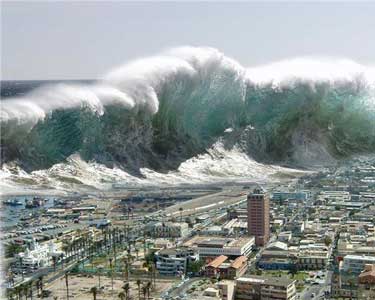
ஆண்டுதோறும் பூமியில் வெப்பம் அதிகரிப்பதால் வருங்காலங்களில் கடல் நகரங்கள் தண்ணீரில் மூழ்கி விடும் அபாயம் உள்ளது என்று அண்ணாமலை பல்கலைக்கழகத்தில் நடந்த கருத்தரங்கில் தமிழ் வளர்ச்சித்துறை அரசு செயலாளர் ராசாராம் தெரிவித்துள்ளார்.

கருத்தரங்கம்

சிதம்பரம் அண்ணாமலை பல்கலைக்கழகத்தில் மதுரை உலக தமிழ் சங்கம், பல்கலைக்கழக தமிழியல்துறை இணைந்து சங்க இலக்கியத்தில் சுற்றுச்சூழல் பாதுகாப்பு குறித்து தேசிய கருத்தரங்கை நேற்று நடத்தியது.

இதற்கு சென்னை தமிழ் வளர்ச்சி மற்றும் செய்தித்துறை அரசு செயலாளர் முனைவர் ராசாராம் தலைமை தாங்கினார். சிதம்பரம் சப்–கலெக்டர் அரவிந்த் முன்னிலை வகித்தார். முன்னதாக தமிழ்வளர்ச்சித் துறை இயக்குனர் சேகர் வரவேற்றார்.

இந்த நிகழ்ச்சியில் கட்டுரை தொகுப்பு நூலை வெளியிட்டு அண்ணாமலை பல்கலைக்கழக நிர்வாகியும், முதன்மை செயலாளருமான ஷிவ்தாஸ்மீனா பேசினார். இந்த நிகழ்ச்சியில், தமிழ் வளர்ச்சி துறை அரசு செயலாளர் ராசாராம் பேசியதாவது:–

வளமான வாழ்வு

சங்க இலக்கியம் என்பது பழந்தமிழர்கள் நமக்கு கொடுத்த பெரும் கொடை என்று சொல்லலாம். ஏனெனில் சுற்றுச்சூழல் பற்றிய பல கருத்துக்கள் அதில் இடம் பெற்று உள்ளது. இலக்கியங்களில் கூட சுற்றுச்சூழல் அவசியம் குறித்து சொல்லப்பட்டிருக்கிறது.

நிலம், நீர், நெருப்பு, காற்று, வானம் ஆகியவை இந்த உலகம் தோன்றுவதற்கான அடிப்படையாகும். இவை அனைத்தும் ஒன்றையொன்று சார்ந்துள்ளது. இதன் அடிப்படையில் தான் உலகம் இயங்குவதாக தொல்காப்பியத்தில் கூறப்படுள்ளது.

வளமான வாழ்வு என்பது இயற்கையோடு இணைந்த வாழ்வு என்பதை மனிதன் மறந்து, அறிவியல் தொழில்நுட்ப வளர்ச்சியால் தன் சுய லாபத்திற்காக இயற்கை வளங்களை அழிக்கிறான்.

பூமியின் வெப்பம் அதிகரிப்பு

ஆண்டு தோறும் 2 டிகிரி அளவில் வெப்பம் அதிகரிக்கிறது என்று கூறுகிறார்கள். வரும் காலங்களில் கடல் நகரங்கள் நீரில் மூழ்கி விடும் அபாயம் ஏற்பட்டுள்ளதாக வல்லுனர்கள் தெரிவிக்கின்றனர். இன்று தாஜ்மஹால் அதன் நிறத்தை இழந்து வருகிறது. அதேபோல் கங்கா, யமுனா, காவிரி ஆறுகள் தன் நிலையை மாற்றி உள்ளன. மனிதன் பின்பற்றும் நீர் சிக்கனம், இயற்கை வளங்கள், பறவை, விலங்குகளுடன் அன்பு, இயற்கை வளங்களை பாதுகாக்கும் முறை, இவற்றை பொறுத்து நாட்டின் வளம் அமையும் என்கிறார் அவ்வையார். ஆனால் அவ்வாறு இன்று இல்லை.

மனிதர்கள் பேராசையை குறைத்து கொண்டு இயற்கையோடு ஒன்றிணைந்து வாழ்ந்தால் நாடு மேலும் மேலும் பல சிறப்புகளை அடையும். சுனாமி, புவி வெப்பம், ஓசோன் மண்டலத்தில் ஓட்டை போன்ற வற்றிற்கு தீர்வு காண முடியும்.

மரம் வளர்ப்பு

புங்கை மரத்தில் பல சிறப்புகள் உள்ளது. இத்தகைய மரங்களை சென்னை மாநகரம் முழுவதும் நட்டால், சுமார் 2 டிகிரி அளவிற்கு வெப்பம் குறையும் என்கின்றனர். இதேபோல் தான், நமது மூதாதையர்கள் மருத்துவ குணமிக்க மரங்களை நடுவதற்கு முக்கியத்துவம் கொடுத்தனர். அறிவியல், தொழில் நுட்பம், நாகரிக வளர்ச்சியில் உள்ள நகர புறத்தினர் தற்போது தொட்டிகளில் அழகிற்காக செடிகளை வளர்த்து வருகின்றனர்.

இயற்கை என்பது அழியும் போது மனித வளமும் அழியும். எல்லாவற்றையும் அரசே செய்ய வேண்டும் என்கிற நிலை உருவாகி இருக்கிறது. தனி மனிதன் நிலத்தடி நீர் பாதுகாப்பு, கடல் வளம் காப்பது, பசுமையை பேணுவது, நீர் நிலைகளை காப்பது, போன்ற கடமையில் ஈடுபட வேண்டும்.

இவ்வாறு அவர் பேசினார்.

இதில் பல்கலைக்கழக மொழியியல் உயராய்வு மைய முன்னை இயக்குநர் சண்முகம்,இந்திய மொழிப்புலம் முதன்மையர் திருவள்ளுவன், தமிழியல்துறை தலைவர் ஞானம், பேராசிரியர் அரங்க.பாரி ஆகியோர் கலந்து கொண்டு சிறப்புரையாற்றினர். முடிவில் உலக தமிழர் சங்கம் தனி அலுவலர்(பொறுப்பு) பசும்பொன் நன்றி கூறினார்.
 

earth

The only race we should lose to China! BY 2020 China would be releasing more CO2 emissions than India +EU!

image

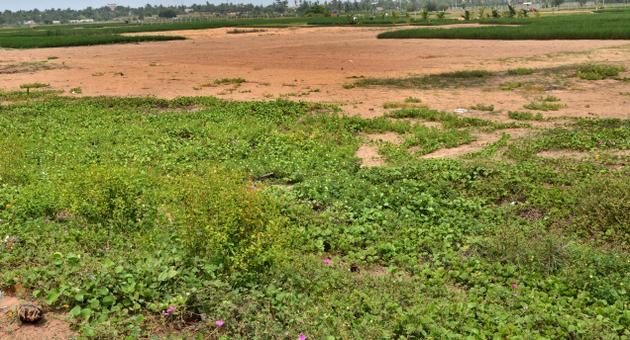
Restoring fertility of tsunami-ravaged lands

The scars of the tsunami of December 26, 2004 are still evident on the agricultural lands of the region.

It is against this backdrop that authorities are engaged in broad-based efforts to restore the touch of fertility to the once bountiful fields.

During the tsunami, water ingress was recorded up to 1-3 km inland from the coast in Tamil Nadu and Puducherry which have a coastal length of 1025 km. The average height of tsunami was 7-10 m. The total number of villages affected was 376 and 33 in Tamil Nadu and Pudhucherry respectively.

Saline water incursion was around 1 km into the southern coastal areas of Puducherry and this rendered the soil with high levels of salinity and the land uncultivable. The deluge damaged rain water harvesting ponds which were the main source of irrigation of casuarinas plantation in areas such as Narambai, Pillaiyarkuppam, Manapet. It turned them saline and unfit for irrigation. Rare wildlife fauna and flora such as rabbit, fox, many reptiles and herbs are no longer present there. In the once fertile coastal villages paddy and manila crop were grown through pond irrigation. The ponds dotted across the coastal area which gave clean water to farmers were totally damaged after the tsunami.

Sharing his experience, K. Devaraj, farmer of Pillaiyarkuppam, said, “After the tsunami, we were unable to grow any crop. Our ponds either became saline or damaged.”

Several villagers even attempted to sell their land to real estate agents at rock bottom prices .

G. Pattabiraman said, “Our livelihood was at stake. Whatever we sow would wilt immediately because of soil salinity. Now we hope to recommence our farming activities, thanks to the initiatives of government.”

The authorities have begun to sink a deep bore well near Manapet village. It will supply water for irrigation for nearly 50 acres of land. Tsunami affected farmers had represented to the Government of Puducherry to construct a community bore well.

N. Ramesh, Environmental engineer of Department of Science, Technology and Environment said, “After tsunami struck here several farmers remained clueless on recommencing their occupation. Now we are taking steps for community farming through pipeline water supply from the bore-wells.”

The Agriculture Department has been taking several initiatives to revive agriculture in the coastal area.

A. Ramamurthy, Director, Agriculture said, “We have been continuously taking initiatives to reclaim the land and restore agriculture activities.’By bringing in a community bore-well irrigation, we will be able to supply water to over 50 acres of land. We undertook measures such as removal of silt settled on the soil, leaching the excess salinity and green manuring so that land becomes cultivable.”

pic

Agriculture land affected by tsunami in Pillaiyarkuppam, Puducherry. Photo: T. Singaravelou

Source :http://www.thehindu.com/news/cities/puducherry/restoring-fertility-of-tsunamiravaged-lands/article6499337.ece

Coastal cities need to be climate-proof, says study

A devastated Vishakapatnam has brought home the need for coastal cities to be climate resilient in terms of extreme events with respect to preparation and infrastructure. Recent studies indicate that there is a long way to go in achieving this. Both the Inter-governmental Panel on Climate Change (IPCC) in 2007 and the Environment Ministry had said there would be a high likelihood of increase in the intensity of cyclonic events on the east coast of India.

A working paper on Planning Climate Resilient Coastal Cities — Learning from Panaji and Visakhapatnam by The Energy and Resources Institute (TERI), released last week, says that it is highly pertinent to start climate proofing infrastructure and services, given the climate sensitive nature of the existing infrastructure systems in the cities. The study says it is imperative to assess sea level rise combined with other factors like storm surge and cyclones and changes in precipitation.

According to the IPCC, coastal areas face multiple risks related to climate change and variability. India has 130 towns and cities within 84 coastal districts and according to the Planning Commission, the rise in sea level is in the range of 1.06 to 1.75 mm per year in the past century.

The year-long study by TERI is supported by USAID’s Climate Change Resilient Development project. Its aim is to develop and test approaches that can increase resilience of infrastructure assets. Divya Sharma from TERI, who presented the study, said the East Coast was more vulnerable to sea level rise and the larger focus is to examine its impact, the increasing intensity of rainfall and extreme events and how they will affect cities and infrastructure.

Among the recommendations of the study include steps to reduce the impact of flooding, changing building design to reduce flood damage, maintaining safe heights for electric sub-stations and leak proof storage, retrofitting and adaptation of airport and sea port systems, and redesigning drainage networks and buildings.

Both the cities in the study were keen on climate proofing their infrastructure and in setting up data based management systems which will be taken up for further action. The study developed an inventory of critical infrastructure as a starting point apart from identifying hotspots in the city, demonstration of tools and methods for planning and a generalised methodology for vulnerability assessment of coastal cities to climate variability and sea level rise.

The knowledge of climate, particularly in the context of sea level rise (SLR) and other factors impacting SLR levels like rainfall and storm surges formed a component of the study.

Source : http://www.thehindu.com/todays-paper/tp-national/coastal-cities-need-to-be-climateproof-says-study/article6501921.ece

ஆந்திராவை Hud Hud புயல் தாக்கியது. விசாகபட்டிணம் நகரில் பலத்த சேதம்

images 3 images 2images 1images 1

Vizag Ravaged

thumb

http://epaper.newindianexpress.com/355521/The-New-Indian-Express-Madurai/13102014#page/1/1

இந்தியாவில் மட்டுமல்ல ஜமாய்க்காவிலும் கடலரிப்பு

ஜமாய்காவின் பிரபலமான கடற்கரையில் கடலரிப்பு, 30 ஆண்டுகளுக்குள் முற்றிலும் அழிந்துவிடும் என தகவல்


Pic

Source :

Sri Lankan fishermen remanded in custody

The Chief Judicial Magistrate court on Thursday remanded in judicial custody till October 16 the 12 Sri Lankan fishermen arrested on charges of fishing in the Indian waters off Kanyakumari.

The fishermen, hailing from Puttalam district in the west coast of Sri Lanka, were detained by the Tuticorin station of the Indian Coast Guard on September 30 and were later arrested by the Tharuvaikulam Marine Police, who also confiscated their two trawlers and seized about 3,000 kg of catch.

After Judicial Magistrate II N Velusamy, who is in-charge in the Chief Judicial Magistrate court, remanded them, they were sent to the Puzhal prison.

The arrest comes at a time when Sri Lankan President Mahinda Rajapaksa has ordered the release of all 76 Tamil Nadu fishermen in their custody. The first batch 0f 36 fishermen were repatriated and they returned home on Thursday.

Sources in the Mandapam station of the ICG said the second batch, including 21 from Nagapattinam, four from Karaikal and 14 from Rameswaram, would be repatriated on Saturday. The ICG would receive them from the Sri Lankan Navy at the designated position in the International Maritime Boundary Line at 10 a.m. and bring them back to the Mandapam anchorage around 3 p.m.


Source :

http://www.thehindu.com/todays-paper/tp-national/tp-tamilnadu/12-sri-lankan-fishermen-remanded-in-custody/article6470345.ece

Over 700 volunteers clean up seashores in Rameswaram

The Mandapam Station of the Indian Coast Guard (ICG), in association with the district administration and the Oil and Natural Gas Corporation (ONGC) has cleaned up the Agnitheertham beach in front of Sri Ramanathaswamy Temple and other points in the Rameswaram island.

More than 700 volunteers from the ICG, local schools and members of National Service Scheme, National Cadet Corps and scouts joined hands to clean up the Agnitheertham beach, thronged by pilgrims, the white sand Ariayaman beach and Kundugal point, flocked by the tourists and seashore area of Mandapam fisheries jetty on Saturday.

The annual clean-up was launched on the occasion of International Coastal Clean-up Day, a worldwide event to clean beaches and coasts to make seashores environment-friendly, Station Commander H.H. More said.

Data collection and recording of specific marine debris were this year’s unique feature in the clean-up drive, he said, adding the ocean conservancy would compile, analyse and keep track of the data.

The information would be used to create awareness among the public, industry and government authorities of the need to find lasting solutions to the problem and make the beaches clean.

The volunteers had collected about eight tonnes of marine debris such as fishing lines, waste nets, food wrappers, ropes, plastic bags and sheets, and disposed them of at the local municipal dumping yard, a press release issued by the Coast Guard said here.

beach

Volunteers cleared about eight tonness of waste from the beaches on the occasion of the International Coastal Cleanup Day.

Courtesy : http://www.thehindu.com/news/national/tamil-nadu/over-700-volunteers-clean-up-seashores-in-rameswaram/article6432284.ece

Biggest climate gathering since Copenhagen

pic

A man dressed as a Polar Bear climbs a barricade as protesters take part in the ‘Flood Wall Street’ demonstrations on Monday. —PHOTO: AFP

The largest gathering of world leaders on climate change opened at the United Nations on Tuesday amid calls for action to put the planet on course toward reversing global warming.

U.N. Secretary General Ban Ki-moon is hosting the summit of 120 leaders, the first high-level gathering since the Copenhagen conference on climate change ended in disarray in 2009.

Diplomats and climate activists see the event as crucial to building momentum ahead of the Paris conference in late 2015 that is to yield a deal on reducing greenhouse gas emissions after 2020.

But no-shows from the leaders of China, the world’s biggest polluter, and India, the number three carbon emitter, are casting a cloud over the event.

Mr. Ban kicked off the summit alongside former U.S. Vice-President and climate crusader Al Gore, Hollywood celebrity Leonardo DiCaprio, Chinese actress Li Bingbing and Rajendra Pachauri, head of the U.N. climate panel, which won the Nobel peace prize in 2007.

Leaders were to take turns at the podium, from President Barack Obama representing the world’s second biggest polluter to Prime Minister Enele Sopoaga of the Pacific island-nation of Tuvalu, which faces the prospect of being wiped out by rising sea waters.

Despite much enthusiasm from climate activists for the summit’s potential to create impetus, some see the event as falling short of what is needed to get serious about the environment.

The summit talks are separate from the negotiations held under the U.N. Framework Convention on Climate Change (UNFCCC), which will culminate with the Paris conference in December 2015.

The 1997 Kyoto Protocol, the first international agreement to reduce emissions, has commitment periods, the last of which expired in 2012. But it has since been renewed. However the protocol was never ratified by the United States.

Attempts to negotiate a new treaty ended in fiasco at the Copenhagen conference in 2009 and the pressure is on to avoid a repeat of that failure at the U.N. talks in Paris next year.

‘It’s not fiction’

Hollywood star Leonardo DiCaprio brought star power to the UN summit on climate change Tuesday, urging leaders to stop treating global warming as “fiction.”

“As an actor, I pretend for a living. I play fictitious characters often solving fictitious problems,” the actor told the summit of 120 leaders.

“I believe mankind has looked at climate change in that same way — as if it were fiction.” — AFP